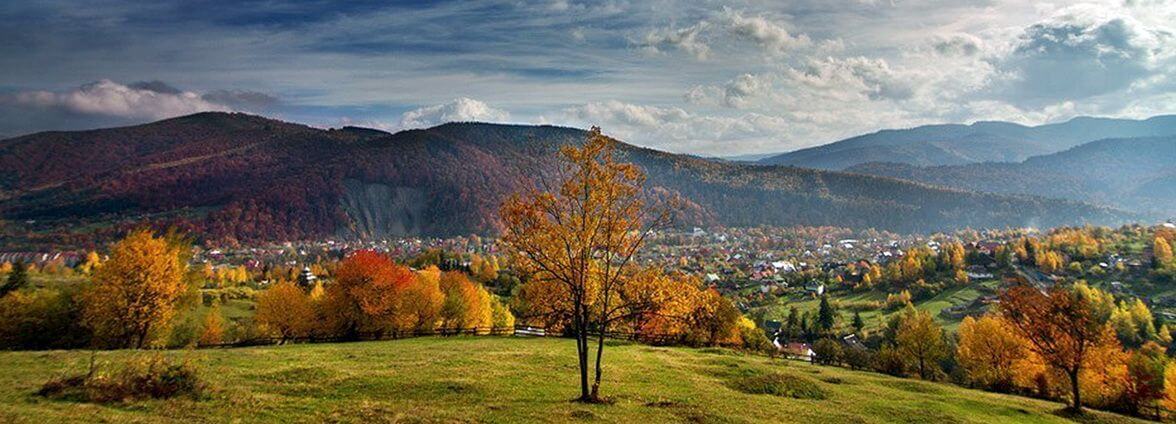
Nestled in the lush embrace of the Ukrainian Carpathians, Yaremche beckons travelers with its vibrant blend of nature, history, and authentic Hutsul culture. Far from being just another mountain getaway, this charming town offers a window into a centuries-old way of life, where traditions echo through the valleys and wooden chalets. If you’re seeking an authentic Ukrainian adventure, Yaremche’s rugged beauty and warm hospitality await. Let’s explore why this destination is a must-visit for anyone drawn to the soul of the Carpathians.
Why Yaremche Stands Out
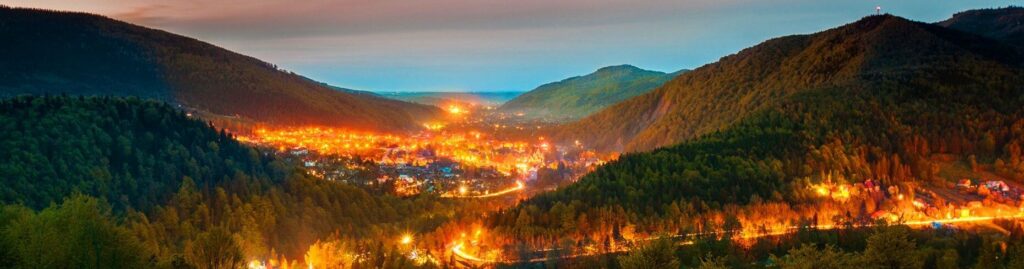
Yaremche isn’t a sprawling metropolis—it’s a cozy hub where nature and culture intertwine effortlessly. Located at 580 meters above sea level, it’s surrounded by dense forests, cascading waterfalls, and the misty peaks of the Carpathians. But what truly sets Yaremche apart is its deep connection to the Hutsuls, an indigenous mountain people known for their intricate crafts, soulful music, and unwavering traditions. Whether you’re hiking through ancient trails or savoring local cuisine, Yaremche feels like a living museum of a vanishing world.
The town’s appeal lies in its ability to balance modernity with heritage. You’ll find wooden guesthouses alongside bustling markets, where artisans sell hand-carved souvenirs and colorful textiles—each piece a testament to Hutsul craftsmanship. For outdoor enthusiasts, the area offers trails that wind through pristine landscapes, while history buffs can uncover stories of rebellion and resilience tied to figures like Oleksa Dovbush, a legendary 18th-century outlaw. Yaremche isn’t just a destination; it’s an experience that lingers long after you leave.
Curious about other Carpathian treasures? Discover the serene beauty of Lake Synevyr or explore Bukovel’s year-round adventures.

Probiy Waterfall – The Roar of the Mountains
No visit to Yaremche is complete without seeing Probiy Waterfall, a natural wonder that roars through the heart of the town. Located on Svobody Street, just 5 minutes from the train station, this 8-meter cascade tumbles over moss-covered rocks, creating a misty spectacle that’s especially breathtaking in spring and autumn. The sound of the water echoes like the voice of the Carpathians, inviting you to pause and soak in the raw energy of the mountains.
For a closer look, follow the wooden walkway that skirts the falls—perfect for photos, especially in the early morning light. The area around Probiy also hosts local vendors selling honey, jams, and Hutsul souvenirs, adding a cultural touch to your visit. Admission is free, but donations support trail maintenance. Bring sturdy shoes, as the path can be slippery, and consider visiting between May and October for the best weather.

Yaremche Market – A Taste of Hutsul Life
The Yaremche market, open daily from 9:00 a.m. to 6:00 p.m., is a vibrant hub where the Hutsul spirit thrives. Located on Svobody Street, it’s a 10-minute walk from the train station or a quick $0.50 minibus ride. Here, you’ll find stalls brimming with regional specialties: creamy brynza cheese, wildflower honey, and handwoven rugs that tell stories of mountain life. Artisans also sell wooden carvings, pottery, and embroidered shirts—each piece crafted with techniques passed down for generations.
The market isn’t just a shopping spot; it’s a cultural immersion. You might hear the trembita, a 3-meter-long wooden horn used by Hutsuls to communicate across valleys, or catch a folk dance during festivals. Spring and summer bring the liveliest crowds, but winter offers a quieter, snow-dusted charm. Prices vary—honey starts at $2, while a carved figurine might cost $10–15 (2025 prices). Don’t miss tasting banosh, a traditional cornmeal dish topped with brynza, available at market stalls for $3–5.
Dovbush Trail – Echoes of a Rebel’s Legacy
For history enthusiasts, the Dovbush Trail, 2 km from Yaremche’s center, offers a journey into the past. This 1.5-hour hike winds through forests and rocky outcrops, named after Oleksa Dovbush, an 18th-century Hutsul outlaw who led a band of rebels against Polish and Austrian landlords. Known as the “Ukrainian Robin Hood,” Dovbush hid treasures in these caves, and locals still whisper tales of hidden gold.
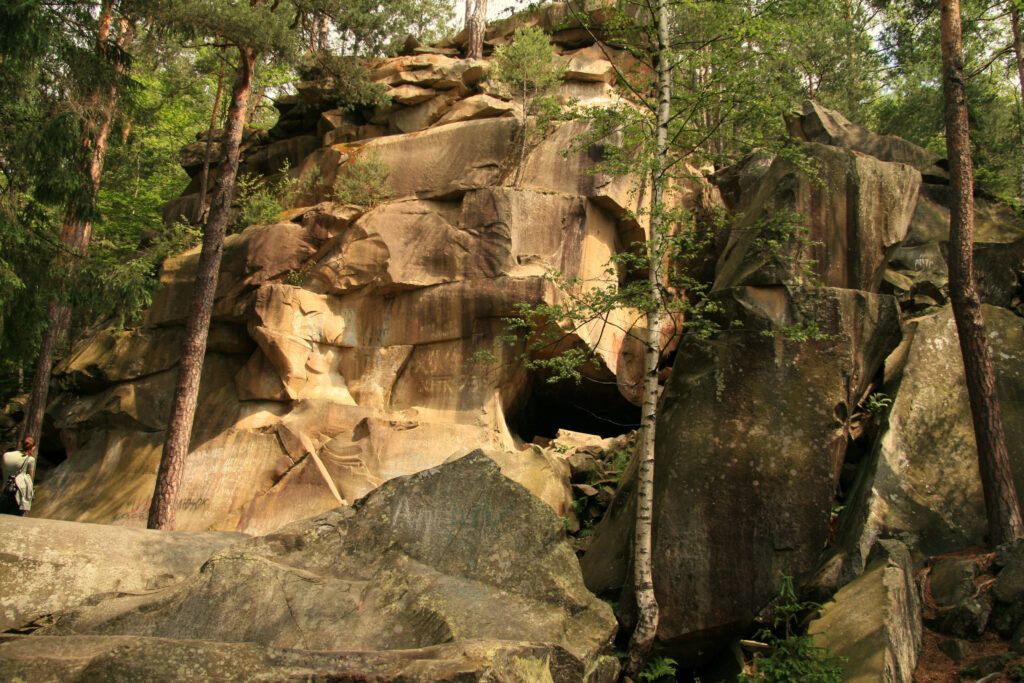
The trail starts near the village of Mykulychyn (a 15-minute bus ride from Yaremche for $1) and costs $1.50 to enter (2025). Wear hiking boots—paths can be uneven—and bring water, as there are no facilities along the way. Autumn colors make it especially scenic, but summer offers milder temperatures. Along the way, you’ll see rock formations where Dovbush reportedly evaded pursuers, each boulder a silent witness to his legend. Want to dive deeper into his story and the trail’s secrets? Uncover the mysteries of Dovbush Rocks.
Hutsul Traditions – A Living Legacy
Yaremche’s soul lies in its Hutsul heritage, a culture shaped by centuries of mountain isolation. The Hutsuls are known for their music, featuring the trembita, a horn that echoes through valleys during weddings and festivals, and their crafts, like intricate woodcarvings and embroidered vests. You can experience this firsthand at workshops in Yaremche, where artisans teach carving or weaving for $10–15 per session.

Every summer, the town hosts the Hutsul Festival (usually in July), showcasing folk dances, music, and traditional foods like kotlety (meat patties) and varenyky (dumplings). Check local tourism boards for 2025 dates—tickets are $5–10. The festival’s bonfires and trembita performances create an unforgettable atmosphere, connecting you to a tradition older than the town itself. For more on Carpathian culture, explore Verkhovyna’s traditions.
How to Get There and Plan Your Trip
Reaching Yaremche is straightforward. From Kyiv, take train #043 to Yaremche (10 hours, from $12, departing Kyiv-Pasazhyrskyi Station). From Ivano-Frankivsk, a minibus takes 1.5 hours for $4. Once there, guesthouses start at $14/night, with options like “Hutsul Hata” offering banosh and mountain views.
The best time to visit is May to September, when trails are accessible, and markets buzz with activity. Winter (December–February) attracts skiers heading to nearby Bukovel, but bring warm clothes—temperatures can drop to -10 °C. Pack comfortable shoes, a raincoat (weather changes quickly), and cash for local vendors, as card payments aren’t always accepted. For real-time updates on weather and trails, check Bukovel’s webcams.
A Glimpse into Yaremche’s History
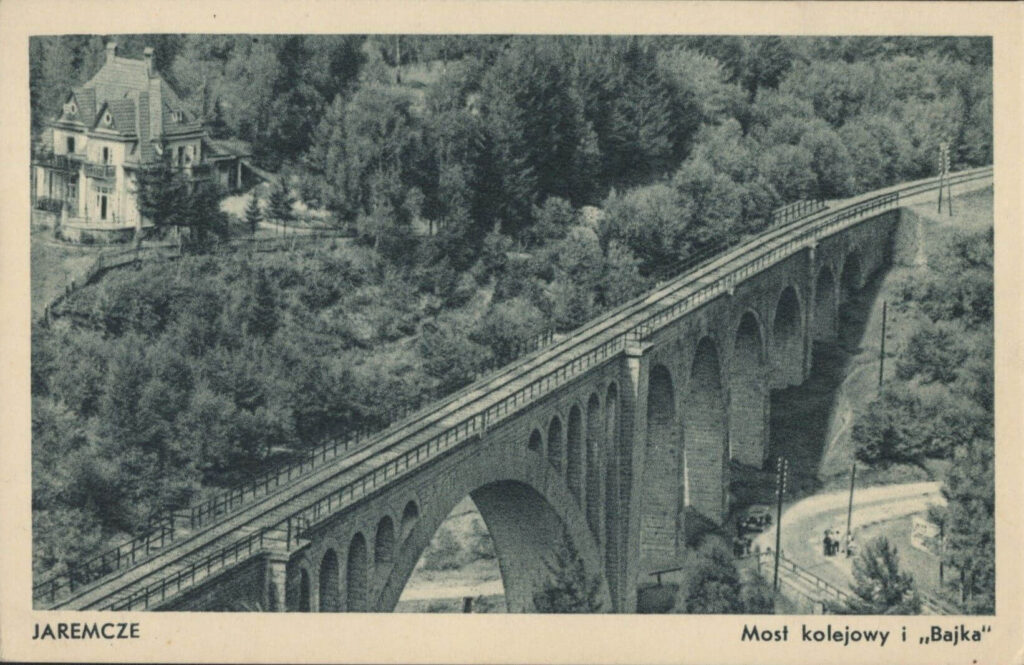
Yaremche’s story began in the 19th century, when it emerged as a retreat for Polish and Austrian elites seeking Carpathian air and Hutsul charm. Writer Stanisław Vincenz, who chronicled Hutsul life, visited in the 1890s, describing the region’s resilience in his works. By the 20th century, Yaremche became a hub for resistance—Oleksa Dovbush’s legacy lived on as locals preserved Hutsul traditions against Soviet assimilation. Today, the town blends this rich past with modern tourism, offering a rare glimpse into Ukraine’s mountain heritage.
Why Visit Yaremche in 2025?
In 2025, Yaremche is poised to captivate travelers with its untouched beauty and cultural depth. With Ukraine’s tourism recovering, this town offers an affordable, authentic escape—perfect for nature lovers, history buffs, and foodies alike. Whether you’re hiking to Probiy, bargaining at the market, or learning to play the trembita, Yaremche promises memories that resonate. Plan your trip now, and let this Carpathian gem show you a side of Ukraine few know.
For more Carpathian adventures, discover Hoverla’s trails or learn about Lake Synevyr’s legends. Share your Yaremche stories with us—we can’t wait to hear them!