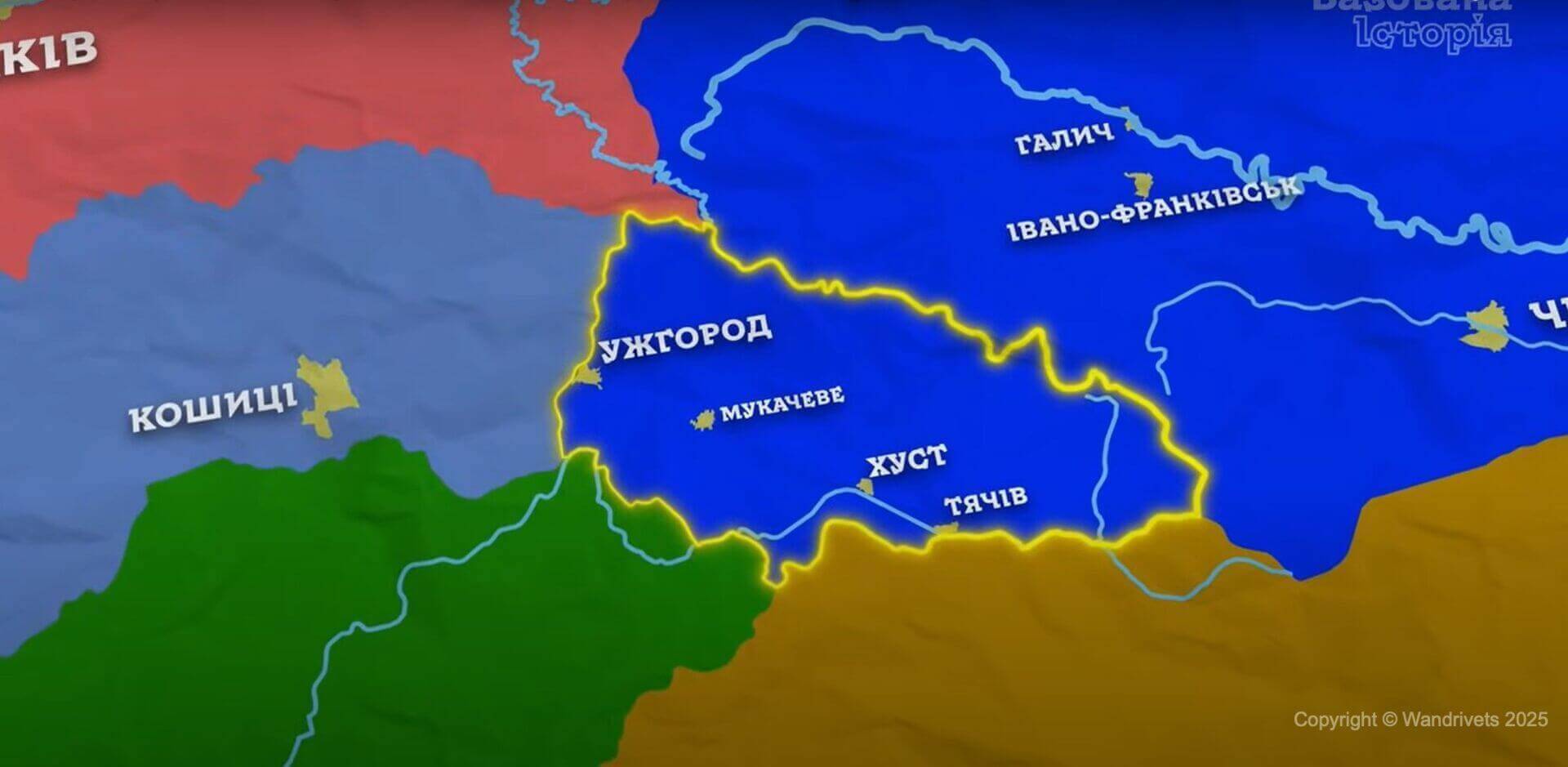
Introduction: Where History Whispers from Every Stone
Step onto Transcarpathian soil, and you’ll feel every stone whisper history—from Hungarian kings building castles to Ukrainian resilience enduring through storms. Transcarpathia’s history. In 2025, Transcarpathia is not just a region but a book, its pages written over centuries, where every castle, every vine in Berehove, and every Hutsul home in Yaremche echoes the past. Imagine standing before Uzhhorod Castle, the breeze carrying the scent of oak barrels from wineries that recall ancient feasts. I’ve seen travelers—from novices with guidebooks to pros with historical notes—immerse themselves in these tales, and you won’t pass by this heritage, its depths calling you to touch its essence.
Stages of Transcarpathia’s History
Hungarian Kingdom: Castles and Wine (10th–16th Century)
Visit Uzhhorod Castle, and you’ll hear echoes of Hungarian kings ruling here from the 10th century:
- Key Events: Hungary seized the region in 896, erecting fortresses—Uzhhorod Castle (12th century) and Mukachevo Castle (13th century) became symbols of power (see Journey to Mukachevo).
- Archaeology: Excavations in Uzhhorod (1970s) uncovered 9th-century Hungarian coins, now housed in the Transcarpathian Regional Museum of Local Lore named after Tyvodar Lehotsky (open Tuesday–Sunday, 10:00–17:00, 33 Kapitulna St.).
- Wine: Viticulture began under Hungarians—Berehove’s first vines date to the 12th century (see The Wine Route of Transcarpathia).
I’ve seen these castles stand like sentinels of time, and you’ll feel their grandeur walking their stone courtyards.
Austro-Hungary: Cultural Flourishing (1867–1918)
Explore the 19th century, and you’ll sense Transcarpathia’s bloom under Austro-Hungary:
- Key Events: The 1867 Compromise integrated the region into the empire, Uzhhorod became an administrative hub, and Berehove’s winemaking (see Berehove: Little Hungary in Ukraine) gained European acclaim—by 1900, wines were exported to Vienna.
- Museums: The Museum of Folk Architecture and Life in Uzhhorod (33a Kapitulna St., 10:00–18:00) showcases the era’s lifestyle—wooden homes and Hungarian stoves.
This century left its mark in architecture and wines—you’ll taste it in every glass.
Ukraine: From Struggle to Modernity (1991–2025)
Feel modern Transcarpathia, and you’ll understand its strength:
- Key Events: Independence in 1991, integration into Ukraine after the USSR’s collapse, and the 2014–2025 war, which hasn’t reached this region but lingers in its heart (see Safety Tips for Transcarpathia Travelers in 2025).
- Culture: Hutsul traditions endure in Yaremche and Verkhovyna (see Hutsulshchyna: Mysteries of an Enchanted Land).
I’ve seen this region persevere, and you’ll feel its resilience in every corner.

Transcarpathia Timeline: Key Dates
Here’s an imagined infographic for a quick overview:
- 896: Hungarians seize Transcarpathia.
- 1290: First mention of Uzhhorod Castle.
- 1867: Austro-Hungarian Compromise.
- 1919: Transcarpathia joins Czechoslovakia.
- 1945: Annexation to the Ukrainian SSR.
- 1991: Ukraine’s independence.
Safety in 2025
War Is Far
Uzhhorod, Mukachevo, and Berehove remain safe:
- Sirens: Rare (once a month), keep the “Air Raid Alert” app—shelters in Uzhhorod’s center (10 Kapitulna St.).
- Contacts: Zakarpattia SES (101).
Getting to Historical Sites
To explore history from Kyiv:
- Train: Kyiv–Uzhhorod, 300 UAH ($7.50), 12–14 hours, book via Ukrzaliznytsia.
- Bus: Kyiv–Mukachevo, 450 UAH ($11.25), 11 hours; check schedules on FlixBus.
Details in The Road from Kyiv to Transcarpathia: Your 2025 Travel Guide.
Practical Tips for Explorers
When embarking on your historical journey:
- Museums:
- Uzhhorod Castle (33 Kapitulna St., 10:00–17:00, entry 50 UAH, $1.25).
- Skansen (33a Kapitulna St., 10:00–18:00, 70 UAH, $1.75).
- Souvenirs: History books (200 UAH, $5) at Uzhhorod bookstores (Korzo St.).
- Clothing: Comfortable shoes for castles and museums.
For novices, start with castles; for pros, add the Skansen and wineries.
Epilogue: A History That Lives with You
Touch Transcarpathia, and you’ll feel its history live—in castle stones, wine’s flavor, and Hutsul melodies echoing over polonynas (mountain meadows). I’ve seen it capture travelers’ hearts, from those first glimpsing Uzhhorod to those knowing every historical turn—and you won’t remain untouched by this land whispering through the ages.
P.S. Want more Transcarpathian historical secrets? Follow our Telegram channel @wandrivets for weekly glimpses of the past!