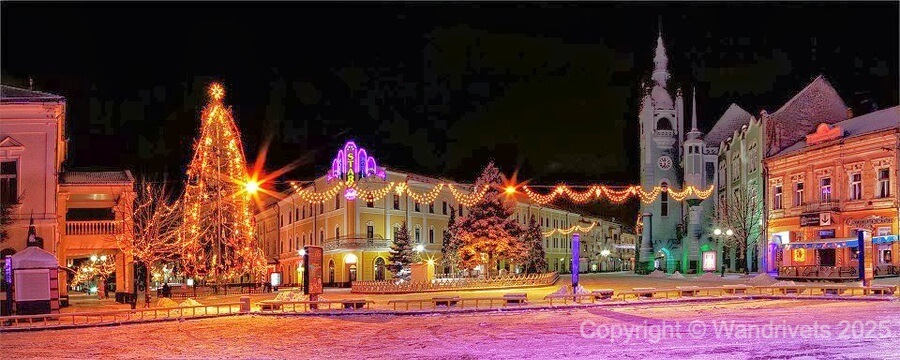
Mukachevo is one of the most enchanting cities in Transcarpathia, a region in western Ukraine known for its stunning Carpathian landscapes. This city seamlessly blends centuries-old history, unique architecture, and a vibrant cultural heritage. A trip to Mukachevo offers an authentic taste of the Carpathian region’s charm. In this article, we’ll explore the city’s history, must-see landmarks, culinary hotspots, and cultural events.
The Origins of Mukachevo’s Name
The name Mukachevo is steeped in legend. One popular theory suggests it derives from the Ukrainian word muka (meaning “torment” or “flour”), symbolizing the arduous labor of locals during the construction of the iconic Palanok Castle. Another theory ties it to the Hungarian name Munkács, which translates to “labor.” Regardless of its origins, the name reflects Mukachevo’s significant historical role and its resilient spirit.
A Historical Overview
Archaeological evidence reveals settlements in the Mukachevo area dating back before the Middle Ages. In 895 CE, Hungarian tribes crossed into the Carpathian Basin via the Veretsky Pass, roughly 60 kilometers north of present-day Mukachevo. By 1397, the city and its surroundings were granted by Sigismund, Holy Roman Emperor, to his distant relative, the exiled Prince of the Grand Duchy of Lithuania, Fedir Koriatovych. Throughout the 15th century, Mukachevo flourished as a key hub for craftsmanship and trade in the region.
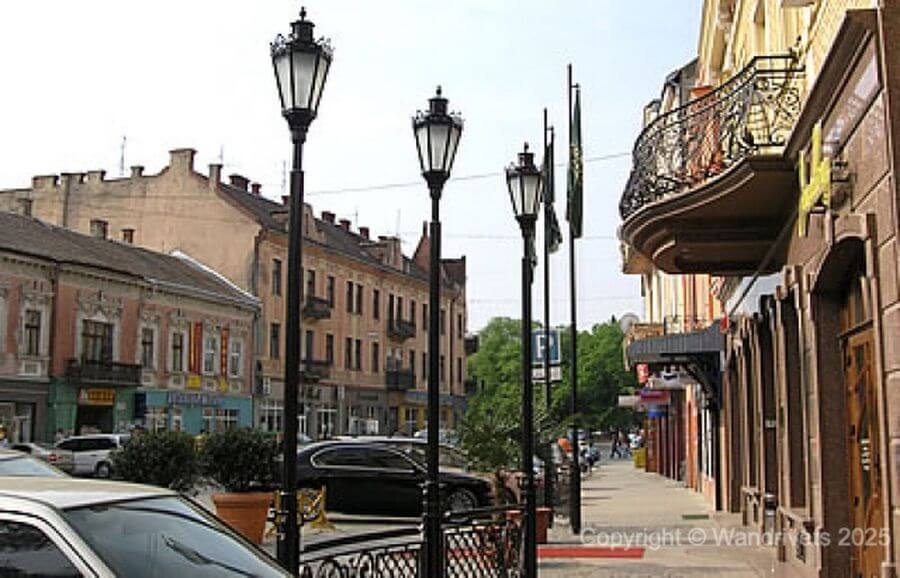
In the 16th century, Mukachevo became part of the Principality of Transylvania. From 1604 to 1711, it was a focal point of resistance against the expansionist ambitions of the Habsburg Empire. Following the defeat of Ferenc II Rákóczi, the city fell under Austrian control in the mid-18th century as part of the Kingdom of Hungary, serving as a vital Habsburg fortress.
In 1919, after Rusyn-Americans negotiated with Tomáš Masaryk to include Subcarpathian Rus into Czechoslovakia, the region, including Mukachevo, was occupied by Czechoslovak forces. The Treaty of Trianon, signed on June 4, 1920, officially incorporated Mukachevo into Czechoslovakia source. In 1939, Hungary seized and annexed Subcarpathian Rus, including Mukachevo, amid Czechoslovakia’s dissolution. While Hungary enforced antisemitic laws, the region remained a relative haven for Jews until the Nazi occupation of Hungary in 1944.
Late in 1944, the Red Army reclaimed Subcarpathian Rus. Initially returned to a reconstituted Czechoslovakia, the territory was later ceded to the Soviet Union in 1945 under a bilateral agreement. Mukachevo was then transferred to the Ukrainian Soviet Socialist Republic and remains part of sovereign Ukraine today.
The Jewish Community
Records from the Beregovo State Archives indicate that Ashkenazi Jews settled in Mukachevo and nearby villages as early as the late 17th century. The Jewish community here was a unique blend of Galician and Hungarian Hasidism, Orthodox Judaism, and Zionism. Despite Hungary’s annexation in 1939 and the introduction of antisemitic legislation, Subcarpathian Rus offered relative safety for Jews until 1944. Today, Mukachevo’s Jewish community is experiencing a revival, with a kosher kitchen, a mikveh (ritual bath), a Jewish summer camp, and daily prayers. In July 2006, a new synagogue was consecrated on the site of a pre-war Hasidic synagogue.
For more on the region’s Hungarian influence, check out little Hungary in Transcarpathia, the city of Beregovo.
What to See in Mukachevo
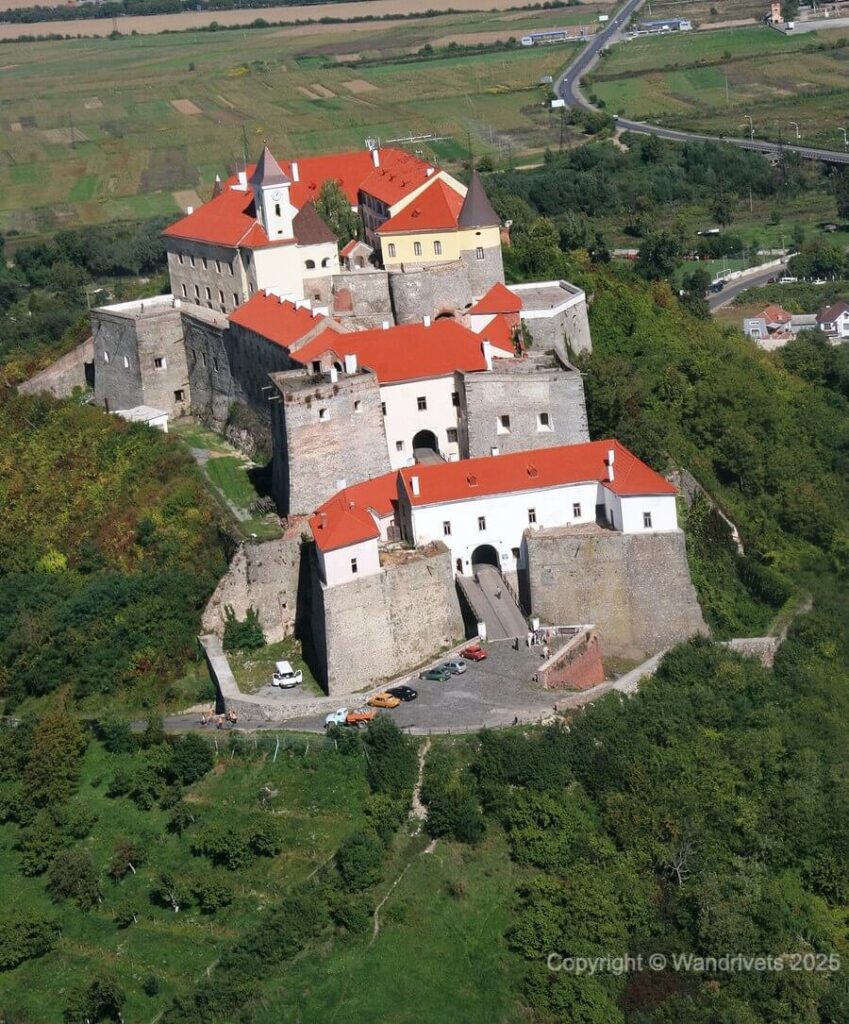
- Palanok Castle: Perched atop a hill, this medieval fortress boasts three levels and awe-inspiring views. Visitors can explore historical exhibits, medieval dungeons, and panoramic vistas of the city.
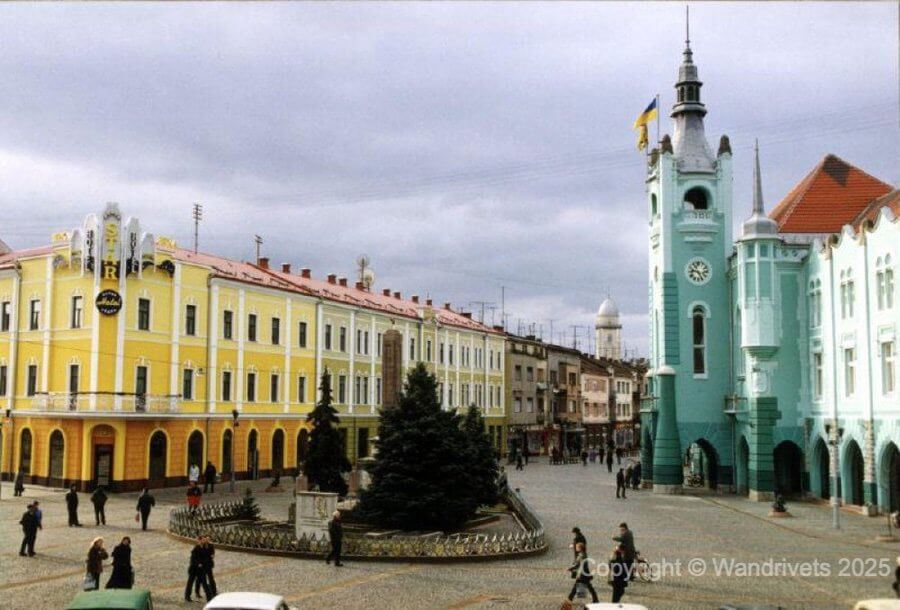
- Town Hall: A striking example of Secession-style architecture (a Central European take on Art Nouveau), this building in the city center is a tourist favorite.
- St. Martin’s Cathedral: This neo-Gothic church captivates with its intricate stained-glass windows and majestic design.
- Victory Park: Perfect for a leisurely stroll, especially in spring, when cherry blossoms transform the park into a floral wonderland.
- Wooden Church: Built in the 18th century in traditional Ukrainian style, this architectural gem is a testament to local craftsmanship.
- St. Nicholas Monastery: Located on Chernecha Hora (Monk’s Hill), this Orthodox women’s monastery offers a peaceful retreat.
For another Transcarpathian gem, consider visiting Uzhhorod, often called the pearl of the region.
A Gastronomic Tour of Mukachevo
Mukachevo’s cuisine is a delightful fusion of Transcarpathian, Hungarian, and Slovak flavors. Here are some top dining spots:
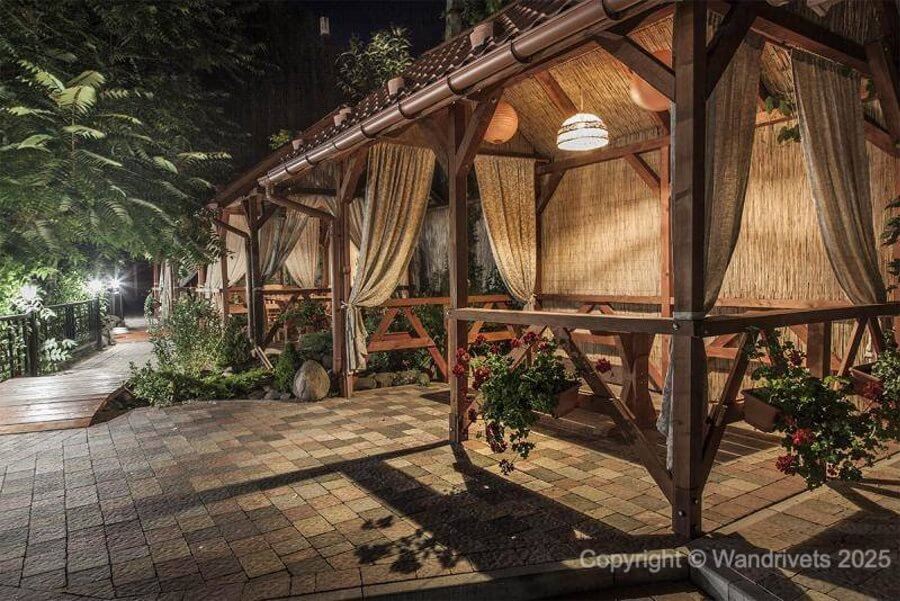
- Grafsky Dvir: Famous for authentic Transcarpathian dishes like bograch (a hearty meat stew) and banosh(cornmeal with sour cream and cheese). Address: 2 Uzhhorodska St.
- Villa Del Re: A refined restaurant offering Mediterranean cuisine with a local twist. Address: 45 Myru St.
- Shchodnya: A cozy, family-friendly spot serving Hungarian classics like langosh (fried dough) and goulash. Address: 17 Dukhnivycha St.
- Charda: Styled as a traditional Hungarian tavern, this place specializes in bograch and local wines. Address: 10 Ilona Zrini St.
Fairs and Festivals
Mukachevo is a festival hub, drawing visitors from across Ukraine and beyond. Notable events include:
- Wine Festival (January): A celebration of Transcarpathia’s finest winemakers, offering tastings and traditional food. Learn more about the region’s wine culture at the Shosh Family Wine Cellar.
- Chervene Vyno (May): Another wine-centric event held in a picturesque part of the city.
- City Day (May): Features concerts, fairs, and performances.
- Christmas Fair (December-January): The city center transforms into a festive wonderland with decorations, souvenirs, and seasonal treats.
Notable Figures
- Mihály Munkácsy: A renowned Hungarian painter.
- Sviatoslav Vakarchuk: A celebrated Ukrainian musician.
- Ilona Zrinyi: A Hungarian noblewoman tied to the city’s history.
Conclusion
A journey to Mukachevo is a gateway to experiencing Transcarpathia’s rich history, delectable cuisine, and lively cultural scene. This city promises unforgettable memories and a longing to return. Craving more of Transcarpathia’s charm? Don’t miss little Hungary in Transcarpathia, the city of Beregovo or the stunning Uzhhorod.