Prologue: The Call of the Mountains
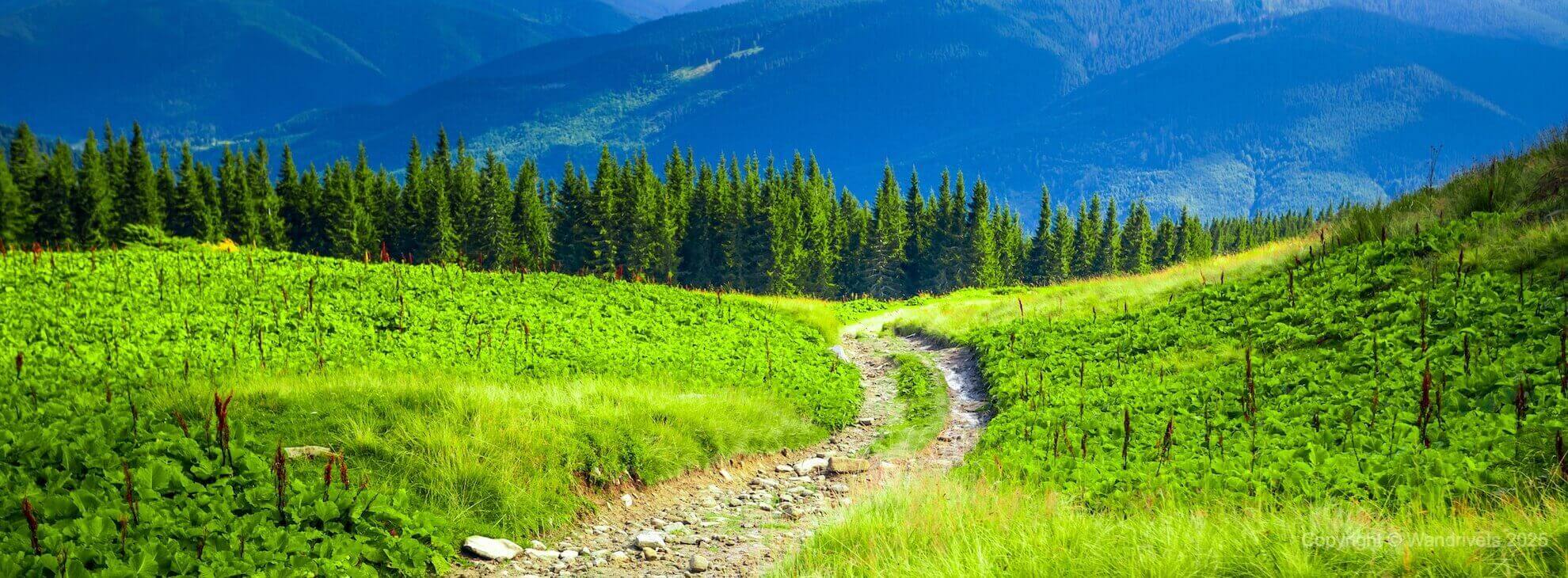
When the first rays of sunlight paint the Carpathian peaks golden and morning mist gently wraps the valleys, you feel like you’ve stepped into a timeless world. These mountains are more than just nature—they’re a living story woven from legends, the rustle of wind, and the strength of ancient stone. The Carpathians don’t just beckon for a quick visit; they invite you on a journey that stirs your soul and connects you to the land. In this article, I will tell you about the best places in the Carpathians that will reveal the real Ukraine to you — from wild peaks to cozy Hutsul villages.
1. Hoverla — Where Earth Meets the Sky
Why Climb Hoverla?
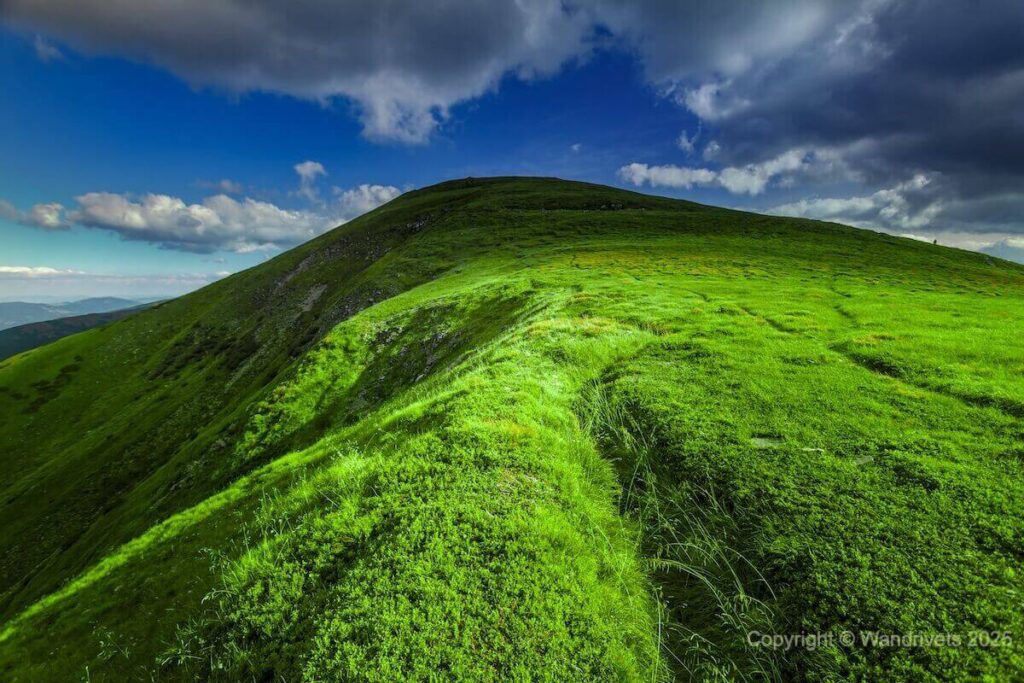
Hoverla (2061 m), Ukraine’s highest peak, is a symbol of resilience and freedom. Its slopes are dotted with rare edelweiss flowers—alpine blooms that add a touch of purity to the rugged terrain. From the summit, you’re treated to a breathtaking panorama of endless ridges and distant villages twinkling below like stars. It’s not just a hike; it’s a chance to stand at the edge of the world. Want to uncover more about this Carpathian gem, from trails to tips? Explore Hoverla’s routes and secrets.
How to Get There and Prepare
Start at the Zaroslyak base. Take a minibus from Ivano-Frankivsk to Vorokhta (2 hours, $4–5 USD), then a taxi to the base (15 km, $8–10). The ascent takes 4–6 hours, depending on weather and fitness. Pack trekking poles, a windproof jacket (it’s breezy even in summer), 1.5 liters of water, and a snack. July to September is ideal—snow melts, and trails are dry.
Historical Note
“Hoverla” comes from the Hungarian “Hóvár,” meaning “snow fortress.” In the 18th century, these slopes sheltered Haidamaks—rebels fighting oppression, leaving behind tales of courage and defiance.
2. Lake Synevyr — A Mirror of Hutsul Legends
Why Does Synevyr Enchant?
Known as the “Sea Eye of the Carpathians,” Lake Synevyr captivates with its crystal-clear water reflecting the sky. At 22 meters deep, it’s surrounded by dense forests that amplify its mystique. Local legend tells of Syn and Vyr, lovers whose tears formed the lake after a tragic parting. It’s not just a natural wonder, but part of a national park established in 1989 to preserve Carpathian wildlife—keep an eye out for rare black storks soaring above. Curious about its hidden stories and folklore? Dive into Synevyr’s legends.
How to Reach Lake Synevyr?
From Mizhhirya, take a minibus to Synevyrska Polyana (1 hour, $2–3), then walk 20 minutes through the forest. Entry costs $1.50–2 (as of 2025), parking $1. Arrive before 9 a.m. to dodge crowds and savor the silence. Bring a raincoat—weather here shifts fast.
“The Carpathian’s are where nature whispers eternity, and Synevyr is its clearest voice,” wrote traveler Richard Boyle in The Carpathian Journey (Penguin, 2018), awestruck by the lake’s allure.
3. Yaremche — The Pulse of Hutsul Culture
What Draws You to Yaremche?
Yaremche is alive with the roar of Probiy Waterfall—like the voice of the mountains—and a bustling market scented with brynza cheese, honey, and herbal teas. Here, you’ll hear the trembita, a 3-meter-long Hutsul wooden horn once used as a signal across the peaks.
How to Enjoy Yaremche?
Catch train #043 from Kyiv to Yaremche (10 hours, from $12, departing Kyiv-Pasazhyrskyi Station). Stay in a local guesthouse (from $14/night), where hosts might treat you to mushroom soup. The Dovbush Trail, 2 km from the town center, offers a 1.5-hour hike through forests and rocks. Looking for more spots to explore in this charming town? Discover Yaremche’s top attractions.
Historical Context
In the 1890s, Yaremche became a retreat for Polish elites. Writer Stanisław Vincenz visited to capture Hutsul life in his works, a legacy that still shapes this vibrant town.
4. Dovbush Rocks — Guardians of Rebellion
Why Are the Rocks Impressive?
These massive stone formations near Bubnyshche stand like silent sentinels. Named after Oleksa Dovbush, an 18th-century outlaw leader, they echo tales of resistance against tyranny. Their scale and history make them a must-see. Intrigued by these stone giants and their mysteries? Unravel the history and mystique of Dovbush Rocks.
How to Get to Dovbush Rocks?
Take a minibus from Ivano-Frankivsk to Bolekhiv (50 minutes, $3), then a taxi to Bubnyshche village (15 km, $4–6). The trail to the rocks takes 1 hour—wear sturdy sneakers, as the stones can be slippery.
Historical Note
In the 18th century, Dovbush’s opryshky (rebels) used these rocks as hideouts, raiding estates to support local peasants. Some believe treasures still lie buried in the caves.
5. Manyava Skete — A Haven of Serenity
Why Visit the Skete?
The Manyava Monastery, built in the 17th century and nestled in dense woods, offers peace and reflection. Nearby, an 18-meter waterfall—one of the tallest in the Carpathians—adds a soothing backdrop.
How to Reach Manyava?
From Ivano-Frankivsk, take a minibus to Bohorodchany (40 minutes, $2), then a taxi to Manyava (20 km, $6–8). Entry is free, but dress modestly—it’s an active monastery. Bring a bottle for spring water from the Blessed Stone.
Extra Fact
In the 17th century, the skete was a spiritual hub for Cossacks. By the 19th century, it sheltered rebels, making it a quiet witness to Ukraine’s turbulent past.
6. Bukovel — Year-Round Carpathian Adventure
Why Bukovel Appeals to All?
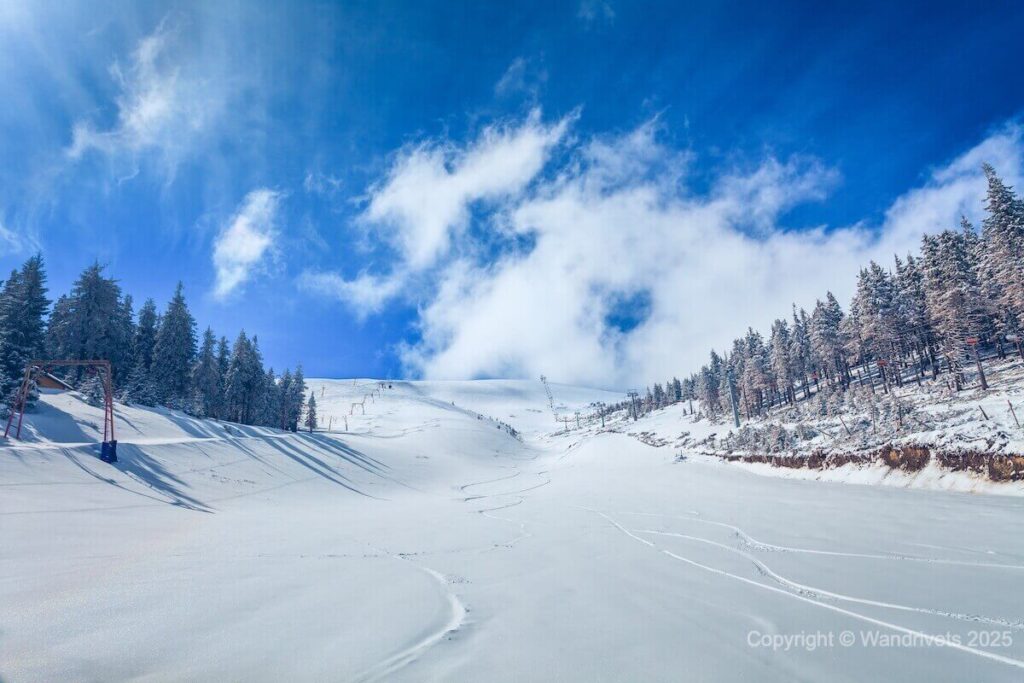
Bukovel is the Carpathians’ activity hub: 60 km of ski slopes in winter, a man-made lake and biking trails in summer. It’s a spot for every traveler.
How to Plan Your Trip?
Take train #043 to Yaremche (10 hours from Kyiv), then a transfer to Bukovel (1 hour, $8). A ski pass in peak season (December–March) costs $35–40/day; guesthouses start at $24/night (book 2 months ahead). In summer, rent a SUP board on the lake ($6/hour). Check snow conditions before you go with
Bukovel’s official webcams—perfect for picking the best day to hit the slopes.
Tip
Visit in April or October for lower prices and fewer crowds.
7. Chornohora Ridge — Wild Beauty Above the Clouds
Why Does Chornohora Beckon?
The Chornohora Ridge, home to peaks like Pip Ivan (2028 m) and Brebeneskul (2035 m), is a challenge for adventurers. Winds sing of freedom, and views above the clouds leave you speechless.
How to Conquer the Ridge?
Board train #141 Kyiv–Rakhiv to Kvasy (12 hours, from $14), then hike to Nesamovyte Lake (8 hours with an overnight stay). Pack a lightweight tent (under 4 lbs), a 0 °C-rated sleeping bag, and an OSM map—cell service is spotty. August offers the steadiest weather.
Fun Fact
Locals say tossing a stone into Nesamovyte Lake sparks a storm—a myth that adds intrigue.
8. Verkhovyna — Where Hutsul Traditions Thrive
What Makes Verkhovyna Special?
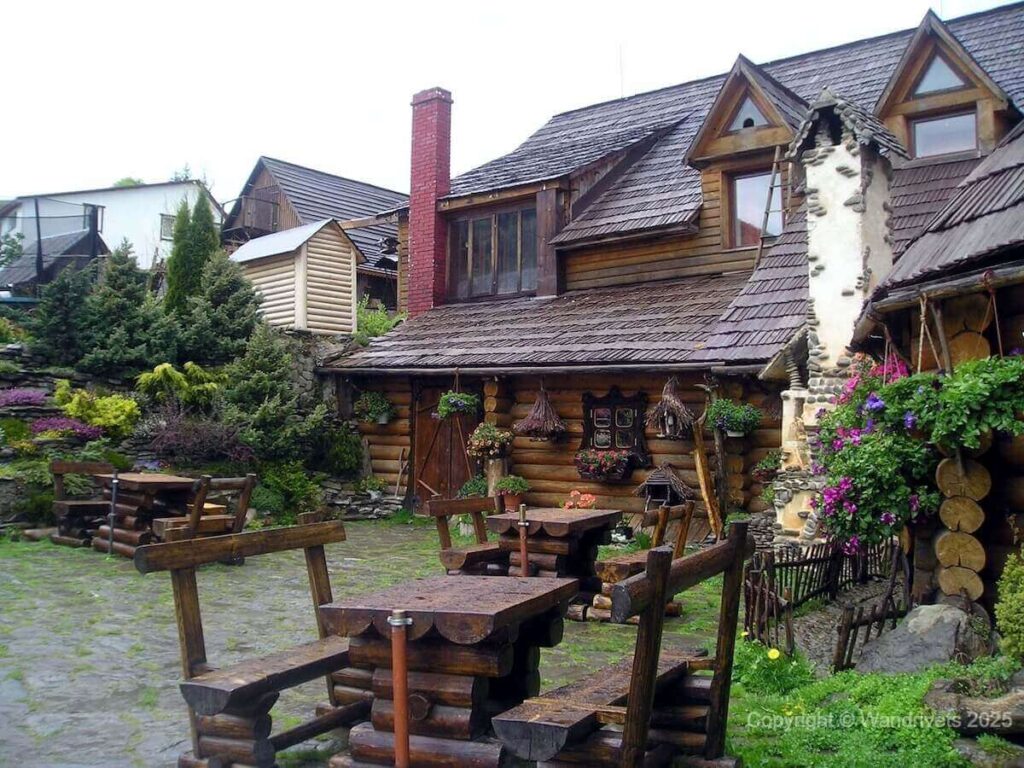
Verkhovyna hums with wedding melodies and the aroma of banosh (a cornmeal dish) with brynza. The trembita, a Hutsul icon, echoes through the hills.
How to Experience Verkhovyna?
Take a minibus from Ivano-Frankivsk (3 hours, $6–7); guesthouses cost $12/night. Try a trembita workshop ($10) or taste polonyna honey from local meadows.
Historical Context
In the 19th century, Verkhovyna birthed the opryshky movement—a Hutsul stand against assimilation that still shapes its spirit.
9. Shypit Waterfall — Nature’s Melody
Why Does Shypit Captivate?
Shypit (14 m) flows like a gentle tune through the forest, especially stunning in autumn when leaves turn golden. Every year, it hosts Ivan Kupala—a traditional festival of bonfires and rituals that draws hundreds. Want to know more about this waterfall and its vibrant celebrations? Learn about Shypit and Ivan Kupala.
How to Reach Shypit?
Take train #081 Kyiv–Volovets (8 hours, from $10), then a taxi to Pylypets (20 minutes, $4). Parking is $1. Visit at dawn for perfect light and fewer visitors.
Extra Fact
In the 18th century, Shypit hid smugglers moving goods across the Carpathians—a secret past that adds allure.
10. Pip Ivan and the Observatory — A Glimpse of History
What Lies on Pip Ivan?
The observatory on Pip Ivan (2028 m), built in 1938, looms like a relic amid the clouds. Nicknamed “White Elephant” for its snow-covered winters, it’s a haunting beauty.
How to Climb Pip Ivan?
Start in Dzembronya (minibus from Verkhovyna, 1 hour, $3–4); the hike takes 6–8 hours. Bring 2 liters of water, a flashlight, and warm layers—temperatures can drop to 32 °F (0 °C) even in summer.
Quote
“Pip Ivan is where the silence of the mountains deafens,” wrote Eric Newby in A Short Walk in the Hindu Kush (Collins, 1958), reflecting on similar peaks.
Historical Note: operational until World War II, the observatory’s ruins now draw explorers seeking history and solitude.
Epilogue: Carpathians That Reveal Ukraine
From Hoverla’s sky-high vistas to Shypit’s soothing cascades, these ten gems aren’t just a travel list—they’re a journey into Ukraine’s soul. They teach you to listen to nature, feel history, and cherish every step. Venture boldly—the Carpathians are ready to share their truth.
P.S. Still unsure about visiting? Even the Carpathian sheep are packing their bags to beat you to it—don’t wait!