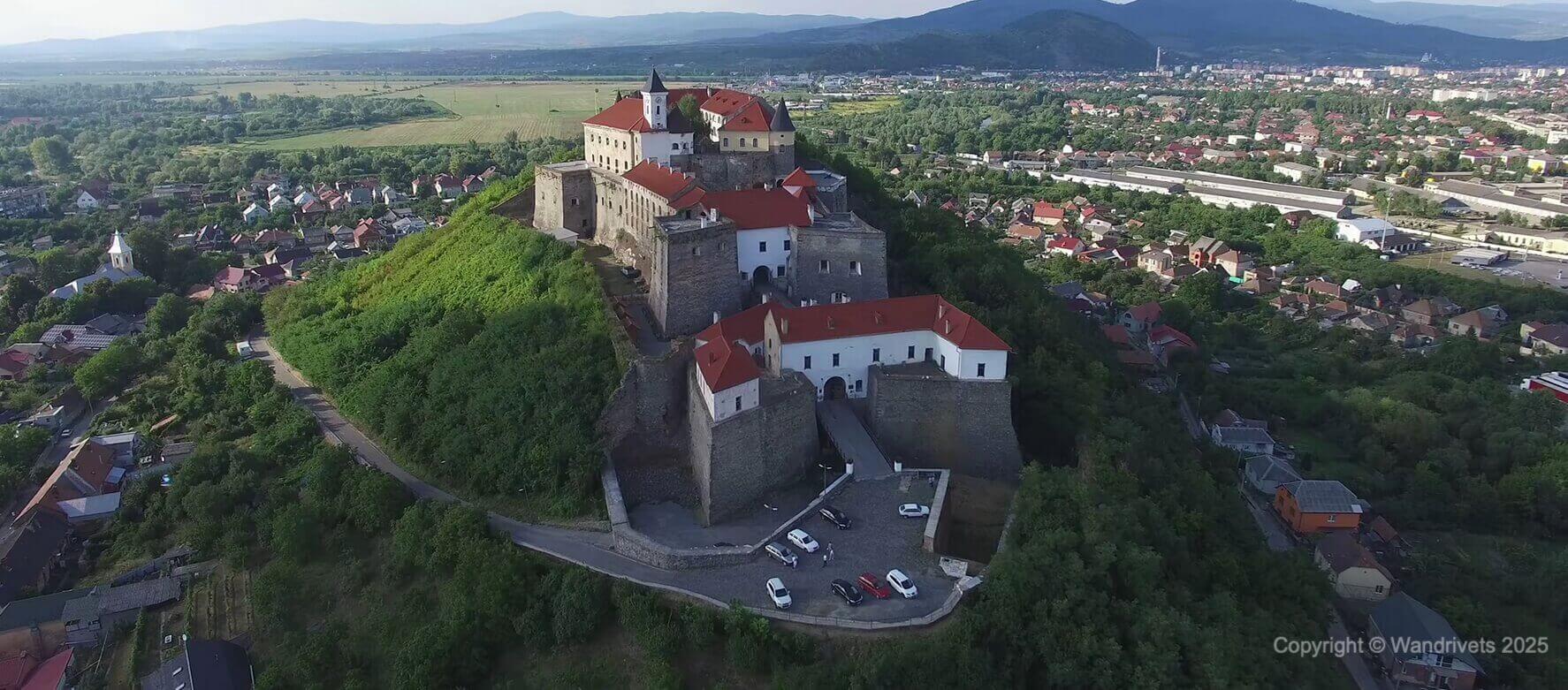
As the sun dips behind the Carpathian ridges, Palanok Castle’s towers cast shadows longer than centuries. This fortress above Mukachevo isn’t just a pile of stones—it’s a stage where dramas worthy of Shakespeare unfolded. Its walls remember warriors’ cries, traitors’ whispers, and the despair of those awaiting mercy in its dungeons. If you seek a place where history breathes and travel promises more than snapshots, Palanok calls—not with the clamor of tourist brochures, but with the quiet, piercing hum of wind through its ramparts.
Palanok’s History: From Hungarian Kings to Ukrainian Bastion
First Stones and First Blood
Palanok emerged in the 11th century when Hungarian rulers sought to cement control over Transcarpathia. Initially, a wooden outpost, it was rebuilt in stone by the 13th century—sturdy as the will of its defenders. In 1396, King Sigismund gifted the castle to Lithuanian prince Fedir Koriatovych, who added towers and a well. Locals jest, “Fedir dug a well but found a headache”—the well remained dry until legend intervened.
Ilona Zrinyi: The Soul of Defiance
True fame arrived in the 17th century when Ilona Zrinyi, widow of Ferenc Rakoczi, led Palanok’s defense against Austrians. From 1685 to 1688, she withstood a siege as cannons roared and supplies melted like spring snow. Dubbed “Transcarpathia’s Joan of Arc” with a sharper strategy, Zrinyi used psychological tactics: soldiers sang Hungarian songs from the walls to unnerve foes, per historian at mukachevo.net. In 1703, her son, Ferenc II Rakoczi, made Palanok the heart of a rebellion, once again a battleground.
From Prison to Museum
After the 18th century, the fortress lost military might. Austrians turned it into a prison, where chains rattled and groans echoed. By the 20th century, Palanok became a museum—its walls now narrating not just wars but the lives of those who endured them.
Legends of Palanok: From a Devil in the Well to Zrinyi’s Treasures
The Whispering Well
Locals claim the 85-meter well isn’t just a hole. Legend says when water ran low, Zrinyi struck a deal with a devil who dug it overnight but got trapped inside. “Now he weeps because tourists toss coins instead of souls,” laughs Mukachevo guide Vasyl. Lean in, and the well’s wind makes eerie sounds—tears or laughter, you decide.
The Ring in the Wall
Another tale speaks of Zrinyi’s golden ring. Before surrendering, she allegedly hid it in the ramparts, promising blessings to its finder. Many have searched, but the stones stay silent. “Maybe it’s a story to keep us wandering,” quips souvenir vendor Olena.
Getting to Palanok Castle in 2025

By Train or Bus from Ukraine
From Kyiv, take the Intercity train to Mukachevo—6 hours, 500–700 UAH ($12.50–$17.50). From Lviv or Uzhhorod, regional trains (from 150 UAH, $3.75) or buses (50–80 UAH, $1.25–$2 from Uzhhorod’s station at Stantsiyna St.) connect. Check schedules on Ukrzaliznytsia. From Mukachevo’s station, it’s a 10-minute taxi (80 UAH, $2) or 20-minute walk to the castle.
By Car
The M06 highway from Kyiv or Lviv reaches Mukachevo in 8–10 hours. Parking at the castle is free, but arrive early for spots. En route, visit Uzhhorod Castle to compare two fortresses.
Entry and Schedule
Entry in 2025 costs 100 UAH ($2.50) for adults, 50 UAH ($1.25) for children. The castle operates 9:00–18:00, with possible summer extensions—verify on the Mukachevo City Council website.
What to See in Palanok: From Towers to Dungeons
Upper Castle: Views and Cannons
Climb the highest tower, and the Carpathians unfold like a book before a curious reader. The old cannon yard still smells faintly of gunpowder, though the guns are silent. An exhibit of armor and weapons transports you to Rakoczi’s era.
Dungeons: Echoes of Prisoners
Descending into the dungeons feels like plunging into history’s shadows. Chains on walls, narrow passages, and bone-chilling could evoke the fates of captives. The museum added prisoner mannequins, but real shivers come from inscriptions carved in stone.
Middle Courtyard: A Place to Pause
A café here serves coffee for 40 UAH ($1) and mulled wine for 60 UAH ($1.50). Sit on a bench, breathe air laced with pine, and imagine Zrinyi plotting her next move.

Practical Tips for Palanok Visitors
What to Bring
Comfortable shoes are essential—stairs are steep, and cobblestones get slick after rain. Pack water (1 L costs 20 UAH, $0.50 at the castle) and a light snack—café options are limited. For photographers, a tripod is key for stunning evening shots from the tower.
Where to Stay
Mukachevo offers hotels from 500 UAH ($12.50) per night (e.g., “Star”) and hostels from 200 UAH ($5). Book early via Booking.com. For luxurys, see Top 5 Hotels in Uzhhorod, a 40-minute drive.
When to Visit
Spring and fall are ideal—fewer tourists, with nature framing the castle in gold or blooms. Winter casts a moody, gothic spell, enchanting yet stark.
Why Palanok Is Worth Your Journey
Palanok isn’t just a Transcarpathian landmark. It’s where every stone is a witness, every step a dialogue with the past. Here, history breathes down your neck, and views quicken your pulse. Nearby, explore The Wine Route of Transcarpathia to end your day with a glass of muscat. Come not for hype but to touch something eternal.
