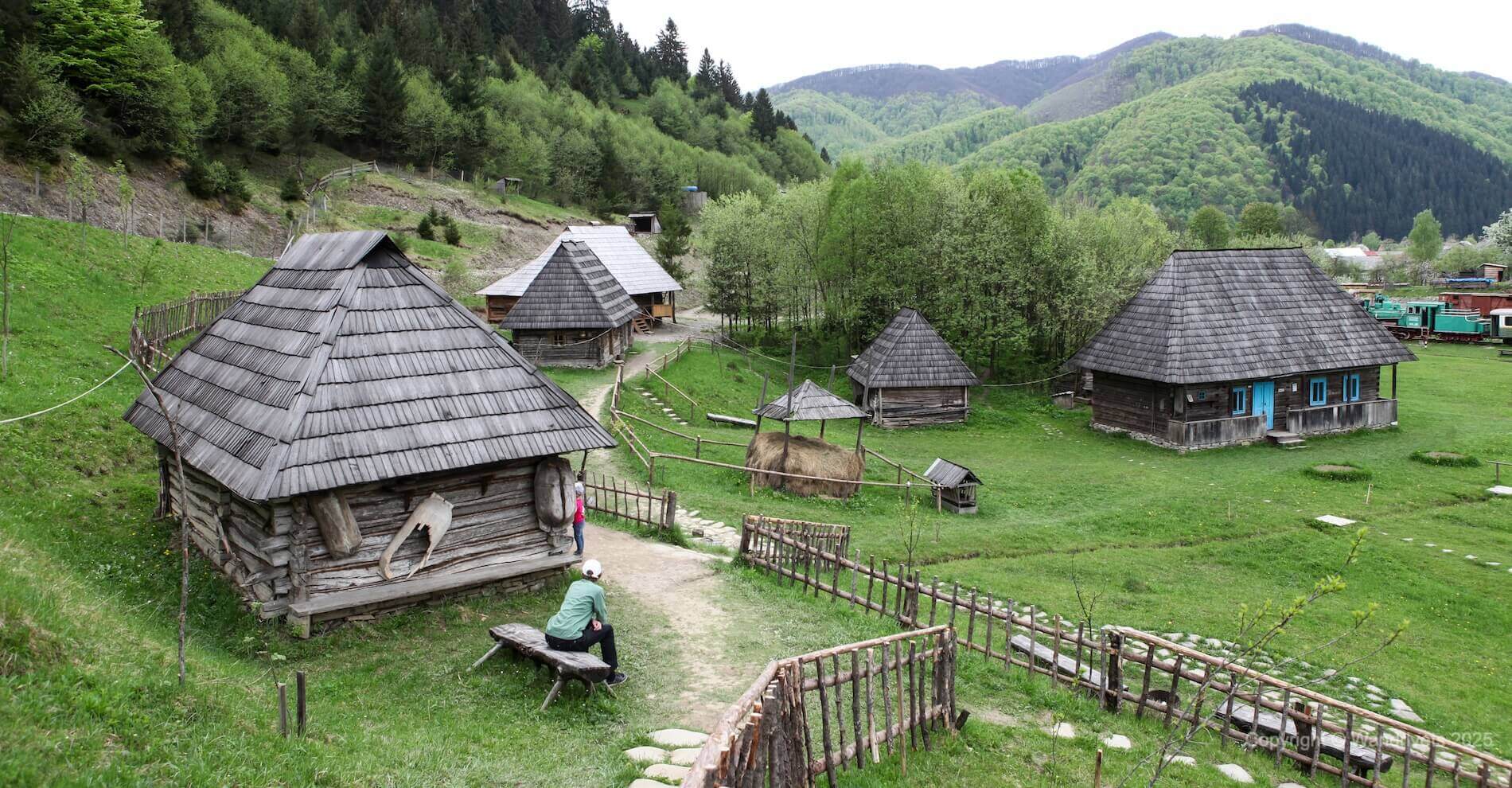
Transcarpathia isn’t just mountains and wine—it’s villages where old homes hold more stories than city libraries. Verkhovets and Kolochava are such places, where Wi-Fi is replaced by echoes of the past. No cars hum here; chimney smoke smells of firewood and a childhood we never had. I spent a day in these villages, and here’s my take: if you want to feel how our ancestors lived—no Instagram filters, just soul—come here.
Verkhovets: A Village Clinging to Tradition’s Thread
How It Began
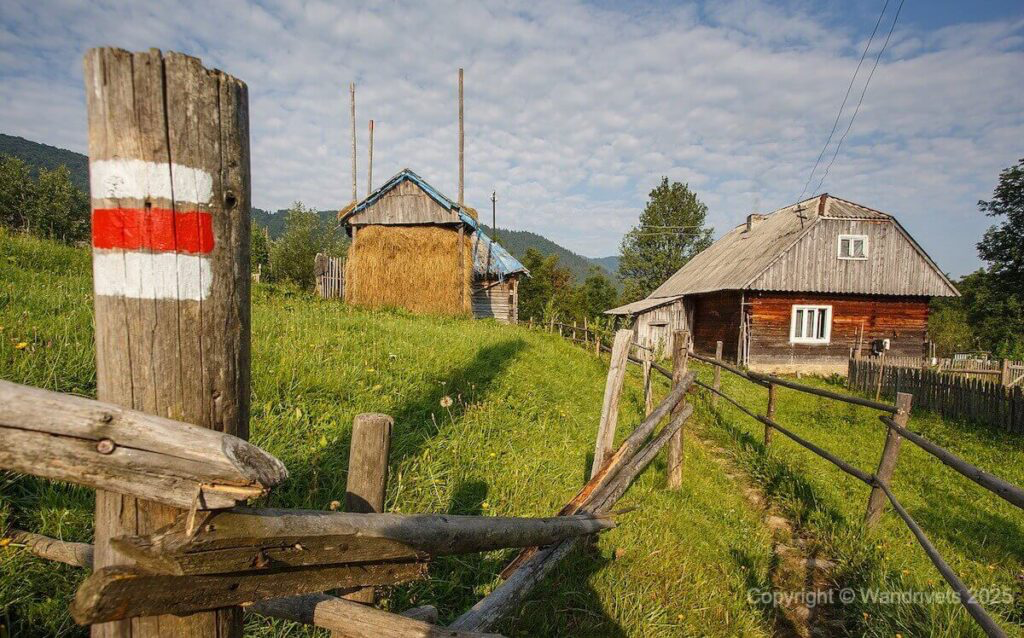
Verkhovets, tucked between hills near Mizhhiria, dates back to the 17th century. Locals lived off the land—forest, sheep, and some crafts. “My grandparents wove carpets, now sold for hundreds of dollars,” says Maria, a local weaver, showing her work. The village turned ethnographic thanks to grazhda homes—wooden houses with enclosed courtyards, guarding warmth and secrets.
What to See
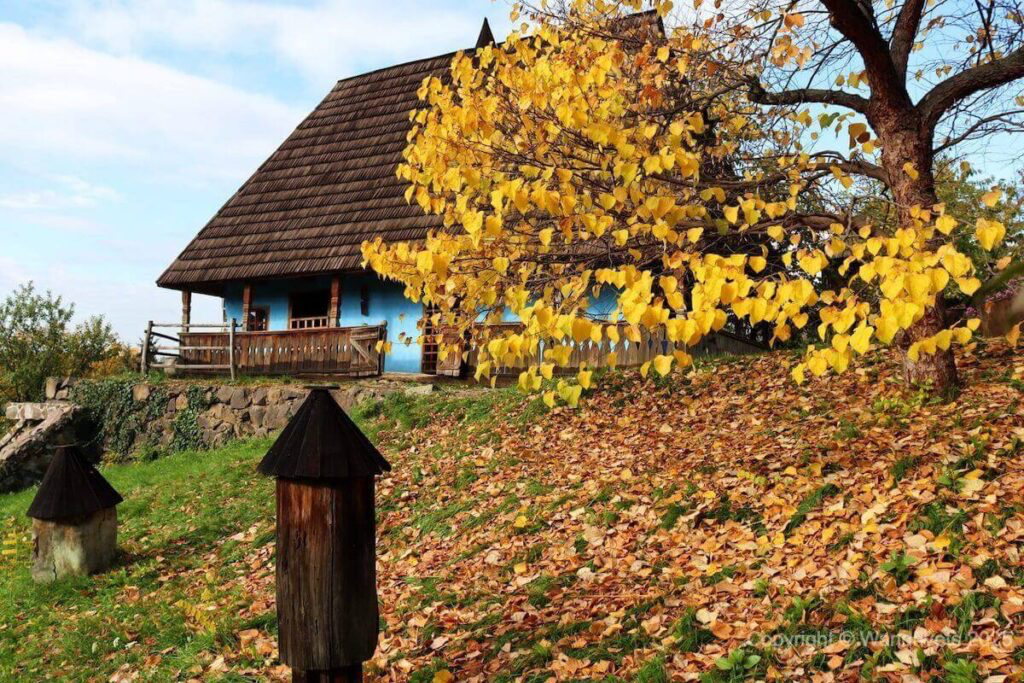
Verkhovets’ heart is an open-air museum. Thatched-roof houses, ancient looms, and a stove that once baked bread for the street stand proud. “Tourists love it, but few know how hard it was to fire that oven,” Maria chuckles. There’s also an 18th-century wooden church, built without a single nail—a monument to local stubbornness.
Kolochava: Ten Museums, A Hundred Stories
Past in Every Corner
Kolochava, 30 km from Verkhovets, is a village-museum. Its 10 skansens (open-air museums)—from “Old Village” to “Kolochava Narrow-Gauge Railway”—narrate tales of Hutsuls, Czechs, Hungarians, and even rebels. “We lived under every rule but stayed ourselves,” says Ivan, guiding tourists through the “Arpad Line.” The village grew in the 19th century with loggers, later joined by a railway.
Kolochava’s Gems
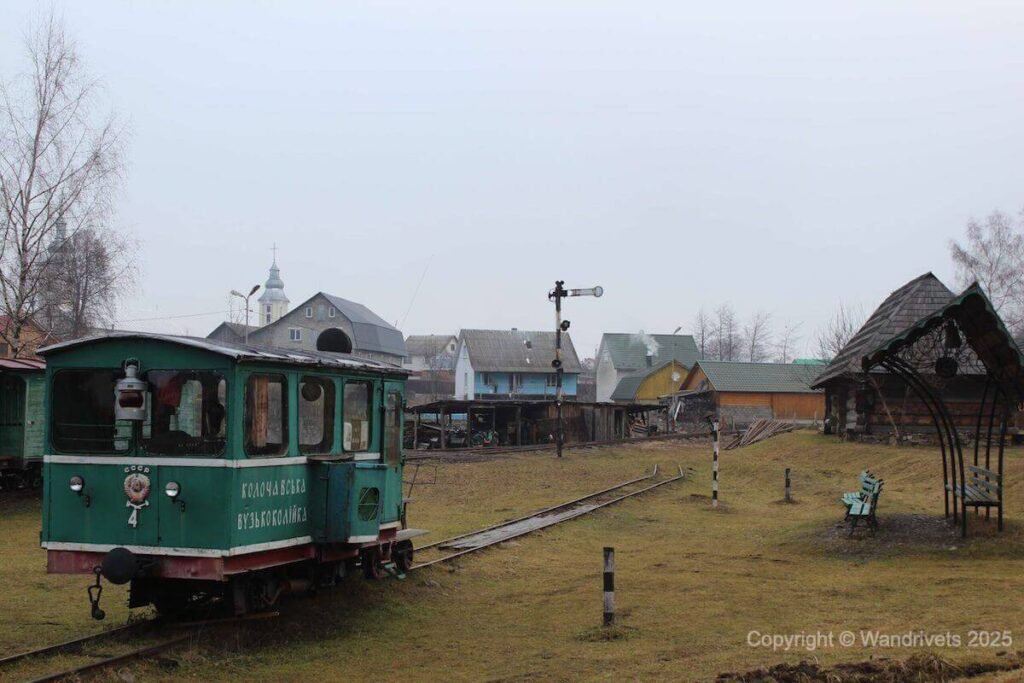
“Old Village” features homes, a forge, and a school where Ivan Franko supposedly taught (or so locals claim). “Kolochava Uprising” showcases a UPA bunker, evoking the era’s chill and cramped quarters. The narrow-gauge railway, pulled by a puffing steam engine, steals the show. “It huffs like my uncle after a shot,” Ivan jokes. Check details on kolochava.com.
Getting to Verkhovets and Kolochava
From Major Cities
From Kyiv, take a train to Mukachevo (500–700 UAH, $12.50–$17.50, 6 hours), then a bus to Mizhhiria (70 UAH, $1.75, 1.5 hours) and a taxi to Verkhovets (100 UAH, $2.50). For Kolochava, take a bus from Mukachevo to Khust (50 UAH, $1.25), then to Kolochava (40 UAH, $1). Schedules on Ukrzaliznytsia.
By Car
To Verkhovets: N09 to Mizhhiria (80 km from Mukachevo), then 10 km on a dirt road (GPS: 48.3667° N, 23.6667° E). To Kolochava: M06 to Khust, then 30 km (GPS: 48.4333° N, 23.7000° E). Parking costs 20 UAH ($0.50) in Kolochava; in Verkhovets, park near homes. En route, explore Hutsulshchyna.
Entry and Schedule
Verkhovets: Museum entry is 40 UAH ($1), 9:00–17:00. Kolochava: 100 UAH ($2.50) for all skansens, 10:00–18:00. Current prices at kolochava.com.
What the Villages Reveal: Traditions and Life
Verkhovets: Crafts and Quiet
Try weaving on a loom or sipping herbal tea from a clay mug. It’s simple, yet profound. “People come for silence and find themselves,” Maria says.
Kolochava: A Museum at Every Step
Kolochava is a time machine. “Old Village” smells of hay and smoke; the bunker echoes war. Guided tours (150 UAH/$3.75 per hour) reveal Hutsul life a century ago.
Planning Your Trip
What to Bring
Sturdy shoes—roads aren’t paved. Water (20 UAH/$0.50 in villages), snacks—cafés are only in Kolochava (borshch 80 UAH/$2). A camera—shots here look like postcards without edits.
Where to Stay
Verkhovets: Guesthouses from 300 UAH ($7.50) per night. Kolochava: From 400 UAH ($10, e.g., “Kolochava Eco”). Book via Booking.com. For city comfort, see Top 5 Hotels in Uzhhorod.
Best Time
Summer and fall buzz with fairs and warmth. Spring offers greenery; winter, snow, and solitude.
Why These Villages Are Worth Your Time
Verkhovets and Kolochava aren’t glossy resorts. Time drifts like smoke over homes, and locals share not just bread but stories. Crave more tradition? Explore The Wine Route of Transcarpathia. Come to feel the past become part of you.
P.S.
Can you bring dogs? Yes, but keep them leashed.
How to contact guides? Kolochava: +38 (067) 225-09-85, +38 (050) 225-09-85 (from kolochava.com).